
Fun Sea Otter Facts to Amaze Any Animal Lover
Published on October 30, 2026 by Petzzz Studio Team
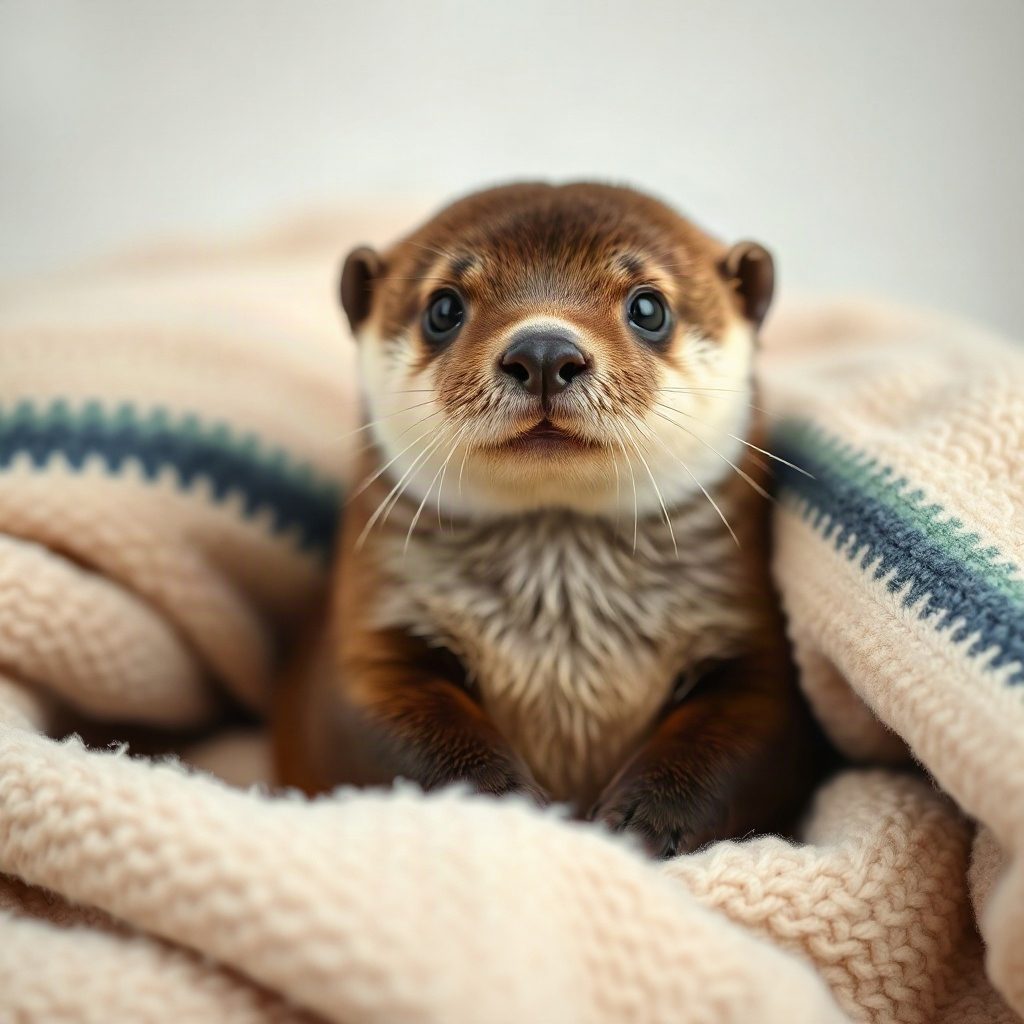
Drifting peacefully in a kelp forest with its paws resting casually on its chest, a wild sea otter looks like it has figured out the ultimate secret to relaxation. If you have ever spent an afternoon watching live streams of these marine mammals wrap themselves in floating algae to keep from drifting away, you know just how captivating they are. There is a whole world of fun sea otter facts waiting to be explored beyond their famous good looks.
Whether you are looking for interesting sea otter facts to share with friends or searching for unique sea otter gift ideas for a dedicated wildlife enthusiast, understanding these animals deepens your appreciation for them. As we look at the natural history of these coastal creatures in 2026, their fascinating adaptations continue to charm people around the globe.
The Fascinating World of Sea Otters
Sea otters are marine mammals native to the coastal waters of the northern and eastern North Pacific Ocean. Unlike seals and whales, they lack blubber and rely entirely on the densest fur in the animal kingdom, trapping air layers against their skin to stay warm while diving for crabs, sea urchins, and clams.
They Hold Paws While Sleeping
One of the most popular cute sea otter facts is that they hold hands while sleeping. To keep from drifting apart in the ocean currents or separating from their pups during rest, groups—known as rafts—will link paws. This adorable sea otter behavior fact highlights their deeply social nature and collective survival instincts.
They Use Personal Stone Tools
Sea otters belong to a very exclusive club of mammals that use tools. When hunting hard-shelled prey like clams and mussels, an otter will dive to the ocean floor, retrieve a flat rock, place it on its chest while floating on its back, and smash the shell against the stone until it cracks open.
They Have a Special Pouch for Tools
Carrying a heavy rock around all day requires ingenuity. Sea otters possess loose folds of skin under their forelegs that act like built-in pockets. They use these loose skin flaps to store their favorite rocks and reserve food items while diving deep into the kelp forests for their next meal.
Superpowers of the Ocean Waves
Surviving in cold ocean waters requires incredible biological adaptations. From their specialized metabolism to their water-repelling fur, these marine mammals possess unique wild sea otter traits that allow them to thrive in rugged coastal ecosystems.
They Possess the Densest Fur on Earth
While a human head features roughly one hundred thousand hair follicles, a single sea otter has up to a million hairs per square inch. This ultra-dense fur keeps water away from their skin entirely, but it requires hours of daily grooming to stay clean and maintain its insulating air pockets.
They Consume Enormous Amounts of Food
Because cold water drains body heat quickly, sea otters maintain a blazing-fast metabolism. They must consume up to twenty-five percent of their body weight in food every single day just to stay warm and energized, spending hours each day hunting crabs, snails, and sea urchins.
They Play a Critical Keystone Role
Beyond being fun to watch, sea otters protect entire marine ecosystems. By eating herbivorous sea urchins, they prevent those spiny creatures from overgrazing local kelp forests. In turn, healthy kelp forests absorb massive amounts of carbon dioxide, demonstrating why facts about sea otters for kids and adults alike emphasize their ecological importance.
Social Habits and Daily Life
The daily routine of a sea otter revolves around hunting, grooming, and resting. Their intelligence and curiosity shine through in how they interact with their environment and raise their young in the turbulent coastal surf.
Mothers Are Exceptionally Devoted
Mother sea otters show incredible dedication to their pups. When foraging for food, a mother will wrap her newborn pup securely in strands of kelp so it cannot float away while she dives. She also carries the vocal youngster on her chest almost constantly during its first weeks of life.
They Blow Bubbles for Fun
Playfulness is not just for juveniles. Adult sea otters frequently engage in games, tossing items around, body-surfing in the waves, and chasing each other. Observers often note them blowing trails of bubbles underwater simply for the enjoyment of it, proving their high intelligence.
They Groom Themselves Constantly
Grooming is essential for survival rather than just vanity. If an otter's fur gets dirty with oil or debris, it loses its waterproofing ability, leading to fatal hypothermia. They spend a large portion of their waking hours rubbing, twisting, and cleaning every inch of their dense coats.
Celebrating Your Love for Marine Mammals
Bringing wildlife appreciation into your everyday wardrobe and home decor is a wonderful way to express your passion for these animals. Fans often look for creative ways to showcase their favorite creatures through art and apparel.
Adding a touch of wildlife charm to your daily routine is easy when you find artwork that captures the personality of your favorite animal. Whether you prefer minimalist sketches or vibrant illustrations, wearing your passions sparks conversations with fellow nature enthusiasts.
When shopping for yourself or searching for sea otter gift ideas, quality matters just as much as the artwork. Selecting versatile items ensures you can enjoy your favorite designs for years to come.
| Product Type | Best For | Styling Tip |
|---|---|---|
| Apparel | Cozy everyday wear | Pair sea otter t-shirts and sea otter hoodies with casual denim for a relaxed, nature-inspired weekend look. |
| Accessories | Personalizing gear | Apply durable sea otter stickers to laptops, water bottles, and notebooks to brighten your workspace. |
Exploring the wonderful traits of marine life reminds us how important it is to protect our oceans. Embracing these moments of connection through art allows us to carry a little piece of the wild coast with us wherever we go in 2026 and beyond.
See All Our Sea Otter Products 🛍️
Frequently Asked Questions
Why do sea otters float on their backs?
Sea otters float on their backs to eat, groom, sleep, and nurse their young safely on the water's surface. This iconic posture keeps their dense fur out of direct contact with sinking elements and allows them to use their chest as a convenient table for cracking open hard shells with rocks.
Do sea otters really hold hands?
Sea otters genuinely link paws or wrap themselves together in groups called rafts while resting. This natural behavior prevents individuals from drifting away from each other or their pups when strong ocean currents and winds sweep through the kelp forests.
What do sea otters eat every day?
Sea otters eat a wide variety of bottom-dwelling marine invertebrates, including sea urchins, crabs, clams, mussels, and snails. Because they have a rapid metabolism in cold water, adults must hunt and consume up to a quarter of their total body weight daily.
How do sea otters stay warm without blubber?
Sea otters rely entirely on the densest fur in the animal kingdom rather than a layer of blubber to stay warm. Their double-layered coat traps a layer of insulating air next to their skin, which prevents cold ocean water from touching them directly as long as the fur remains clean.